

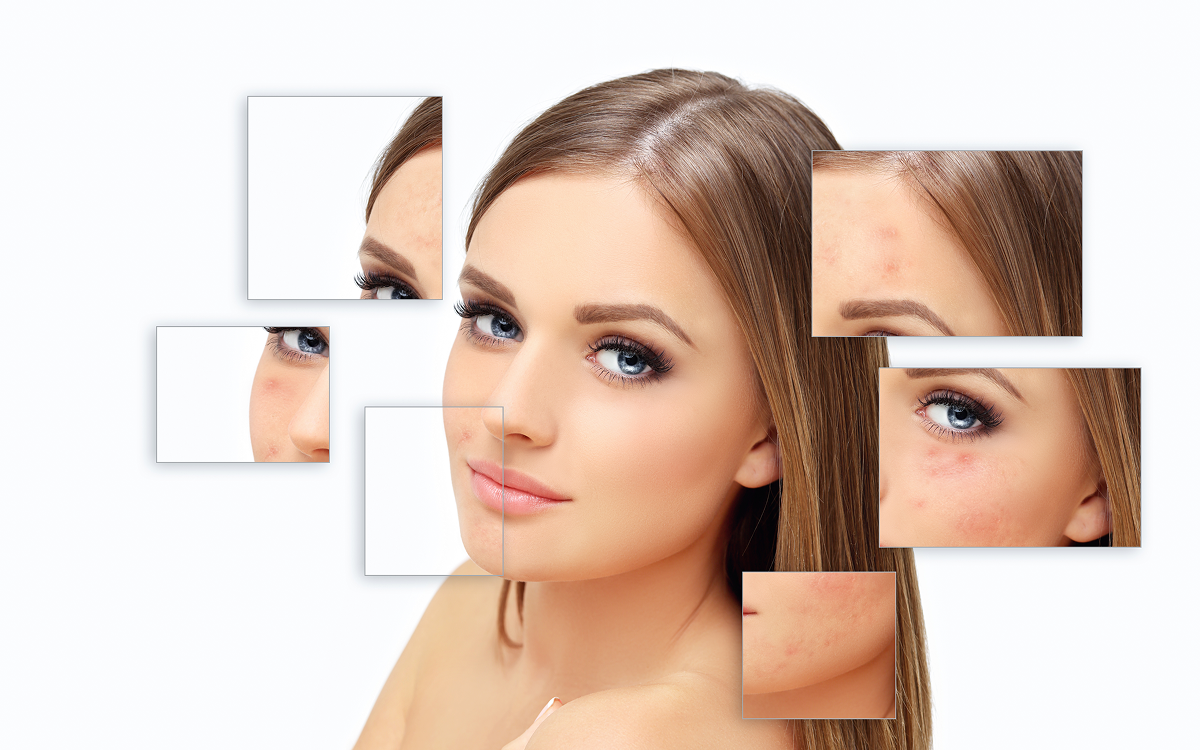
Picture this: You woke up in the morning, took bath, and had your breakfast. As you are about to get ready for work and look into the mirror, you observe noticeable changes on your face and are clueless about their occurrence. So, have you been struggling with dark spots, uneven patches, or stubborn discoloration on your skin? If yes, you are not alone. And if you are wondering, “How are these suddenly appearing on my face?”, the most obvious answer is pigmentation! But thanks to medical science and technology, a skin pigmentation treatment can restore your skin’s natural glow and radiance to give you that youthful look.
So, are you ready to achieve the skin of your dreams? In this blog, let’s know all about skin pigmentation and how to select the right treatment for your skin type.
What is skin pigmentation? Understanding the types
Determined by the amount of melanin produced by melanocytes, skin pigmentation refers to the colour of your skin. Some of the major types are:
Hyperpigmentation: It refers to the comparatively darker areas of the skin and can be caused by several reasons, such as:
Sun damage: Being overexposed to the harmful UV rays can lead to the development of dark spots, which is also one of the most common signs of ageing.
Melasma: Particularly common in pregnant women, this is a condition that causes gray or brownish patches on the face.
Hypopigmentation: This refers to the areas of the skin with a lighter color, and is the opposite of hyperpigmentation. It can be caused by various factors, including:
Vitiligo: When there is a loss of melanocytes in certain areas of the skin, it results in white patches, and this autoimmune condition is known as Vitiligo.
Albinism: Individuals with a genetic condition that prevents the production of melanin have very light or white skin, known as albinism.
What are the benefits of pigmentation treatment?
Melasma is mostly prevalent among women compared to men, and is sometimes a side effect of pregnancy. This fact indicates that women are mostly the victims of skin pigmentation issues. Here are the most common advantages of considering a skin pigmentation treatment.
- Improved skin texture
Besides addressing discolouration, many pigmentation treatments, such as laser therapy or chemical peels, promote smoother, more refined skin texture. In addition, it removes dead skin cells by encouraging the growth of new ones.
- Minimized sun damage
If your skin is exposed to the harmful UV rays for prolonged periods and is getting damaged, leading to pigmentation and signs of ageing, an appropriate treatment can help make your skin look younger and more vibrant.
- Personalized treatment options
Want a customized solution to meet your skin needs and concerns? From topical treatments and laser therapy to chemical peels and other methods, a pigmentation treatment can be tailored to suit your requirements and specific skin type.
- Enhanced skin health
Whether you are looking to stimulate collagen production, improve skin hydration, or reduce the appearance of fine lines and wrinkles, these treatments also contribute to overall skin health by addressing pigmentation issues.
- Lowers the risk of skin issues
Are you worried that pigmentation treatment will cause skin problems? When you consider seeking professional help, you won’t have to worry, as the chances of risks like skin cancer are greatly reduced.
What are the best pigmentation treatments for glowing skin?
Wondering what the various types of skin solutions are available to combat pigmentation? Here you go:
- Topical treatments
Creams that are effective for mild pigmentation and help to fade away dark spots and even out the skin tone are known as topical products, such as:
| Type | Description |
| Hydroquinone | Known as the “gold standard” for skin lightening.Reduces melanin production in targeted areasEffective for melasma and dark spots, but should be used under professional guidance. |
| Vitamin C | This antioxidant brightens the skin and helps protect from UV damage.Works as part of daily skincare.Can complement other treatments as well |
| Retinoids | Vitamin A derivatives that boost cell turnoverRemoves pigmented skin cellsEffective for sun spots and can smooth out fine lines. |
- Chemical peels
From exfoliating the top layer of the skin to encouraging cell turnover, chemical peels can be an effective solution for those dealing with pigmentation issues. Some of its types are:
Superficial: These peels contain glycolic acid or salicylic acid, brighten the skin, and are ideal for those with mild pigmentation.
Medium: Consists of agents like Trichloroacetic acid (TCA) to address more stubborn pigmentation. These peels are effective for treating sun spots and melasma.
- Laser treatments
Targeted for deeper or persistent issues, laser therapies are used for treating melasma and sunspots by breaking down melanin in pigmented cells. Moreover, they also stimulate collagen production and are considered highly effective.
Are pigmentation treatments worth considering?
In short, yes! They can be ideal weapons to fight hyperpigmentation, since it is fairly widespread nowadays. Are you looking for the finest treatment choices for skin pigmentation? Visit Al Andalus Medical Center today and achieve that glowing skin you have been waiting for.


