

Are you keeping a close eye on the signs of skin ageing? For starters, wrinkles, crow’s feet or frown lines are not the only indicators to look out for. As we age, the even-toned, youthful look begins to fade, and the most common skin concerns start to show up like Skin Pigmentation.
Nevertheless, ageing is just one factor; the root causes of pigmentation could be many.
You may have tried all possible treatments but that stubborn mark just won’t quit, and instead, gives you a hard time finding the right treatment.
That’s why this blog will be your 101 guide to understanding the causes of skin pigmentation, its types and available skin pigmentation treatment options.
What is Skin Pigmentation?
The quantity and distribution of melanin in our skin define its color, which is known as skin pigmentation. The natural pigment that gives our skin its color is called melanin, and it is made by cells called melanocytes. It controls how much sun exposure we can tolerate without being burned and shields our skin from UV rays.
Skin pigmentation comes in several forms, such as hypopigmentation (lighter regions) and hyperpigmentation (dark spots or patches). Darker areas on the skin result from hyperpigmentation, which is caused by an excess of melanin. Hormone fluctuations, sun exposure, and acne scarring can bring this on. Conversely, hypopigmentation, which results in lighter patches on the skin, happens when melanin synthesis is reduced. Skin traumas or genetic disorders can bring this on.
Skin pigmentation changes with age and varies by ethnicity. People with fairer skin have less melanin, which makes them more vulnerable to sun damage and UV radiation. Darker skin tones, on the other hand, have more melanin, which provides better UV protection but also makes it more difficult for their bodies to manufacture vitamin D through sun exposure.
Common Causes of Pigmentation Changes
Pigment shifts don’t happen out of the blue, and some common factors trigger them:
- Genetics
Did you know that around 135 genes have a substantial influence on skin tone? Yes, it is true! In addition to hormones, genes regulate melanin synthesis. They can influence the creation, survival, and function of pheomelanin or eumelanin in your skin. As a result, the color of one’s skin gradually changes.
- Sun Exposure
When exposed to sunlight, your body creates more melanin to protect itself from UV radiation. During this phase, your skin’s pigmentation is likely to increase.
- Medication
Certain medications also have a direct impact on skin pigmentation. Medications can trigger hormonal changes in the body, increasing the creation of melanin cells. As a result, you may need to address skin pigmentation disorders.
Types of Pigmentation
The most common types of pigmentation include:
- Freckles
Freckles are small, flat brown patches that usually form on the face, arms, or back.
- Age spots
Age spots, also known as liver spots, are flat, darker regions of skin that occur on sun-exposed areas such as the face, hands, and arms.
Post-inflammatory hyperpigmentation (PIH)
PIH occurs when the skin overproduces melanin in reaction to inflammation or damage, such as acne, burns, or cuts.
- Melasma
Melasma appears as dark, uneven spots on the face and is frequently observed on the forehead, cheeks, and upper lip.
- Acne Scarring
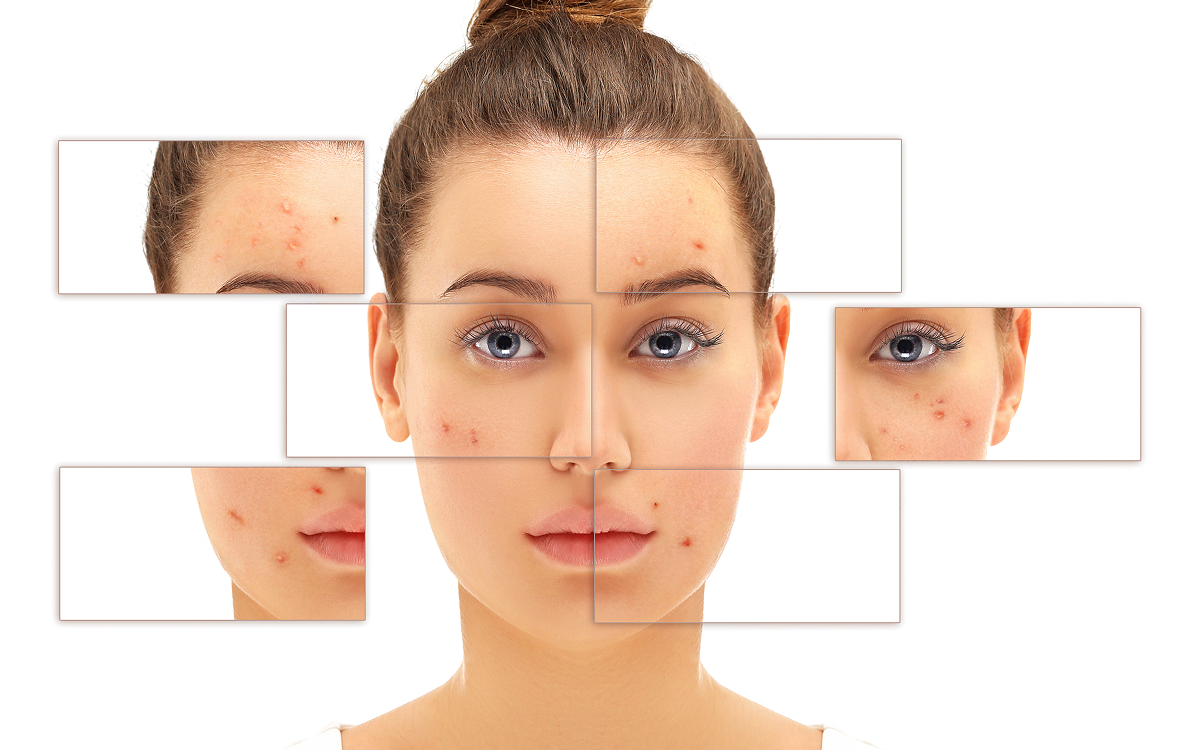
Post-inflammatory hyperpigmentation develops after acne outbreaks, leaving behind dark patches or scars caused by inflammation and increased melanin synthesis.
- Sun Damage
Sun exposure is a key contributor to dark patches and hyperpigmentation. UV radiation can increase melanin formation, resulting in uneven skin tone and sunspots.
Medication-Induced Pigment Changes
Certain medicines, including antibiotics, anti-inflammatory drugs, and chemotherapeutic treatments, can produce pigmentation alterations. This might manifest as dark spots on the skin or a general darkening of the skin.
Skin Pigmentation Treatment Options to Consider
Are you wondering which skin pigmentation treatment option is right for you? Here’s what your doctor might suggest:
- Chemical Peel
A chemical peel uses stronger acids to treat the damaged region of the skin. Your skin’s hyperpigmentation can be treated by removing the epidermis. Some chemical peels are significantly stronger and can reach your skin’s main layer, known as the dermis, yielding more effective results.
- Laser Peel or Skin Resurfacing
Laser peel treatments employ focused light beams to reduce hyperpigmentation. There are two kinds of lasers:
- Ablative: Ablative lasers are extremely powerful devices used to destroy skin layers, and they may be most effective for those with fair skin.
- Non-ablative: Non-ablative lasers use non-intense wavelengths of light to stimulate collagen development and tighten skin.
Ablative lasers produce faster results, however they may have negative effects. Both of these lasers kill damaged skin cells while ensuring that new skin cells grow back toned and tighter. Your doctor will examine your skin tone to determine which choice is ideal for you.
- Topical Treatments
To lighten/bleach hyperpigmented lesions in epidermal post-inflammatory hyperpigmentation, a number of topical treatments are available, such as vitamin C cream, corticosteroid creams, and glycolic acid peels, among others. These creams and serums are often the first line of defence:
- Hydroquinone
- Retinoids
- Vitamin C serums
- Kojic acid
Final Words
Hyperpigmentation is fairly widespread these days due to excessive sun exposure. People with dark spots do not need to worry because they are curable, and the key preventative measure is to avoid exposure to the sun and use sunscreen. Finding the finest treatment choices for skin pigmentation is made simpler with Al Andalus Medical Center. They provide cutting-edge skin pigmentation therapy to address a variety of dermatological conditions, with safe, effective, and long-lasting outcomes that ensure customers have glowing, even-toned skin and restored confidence.


