

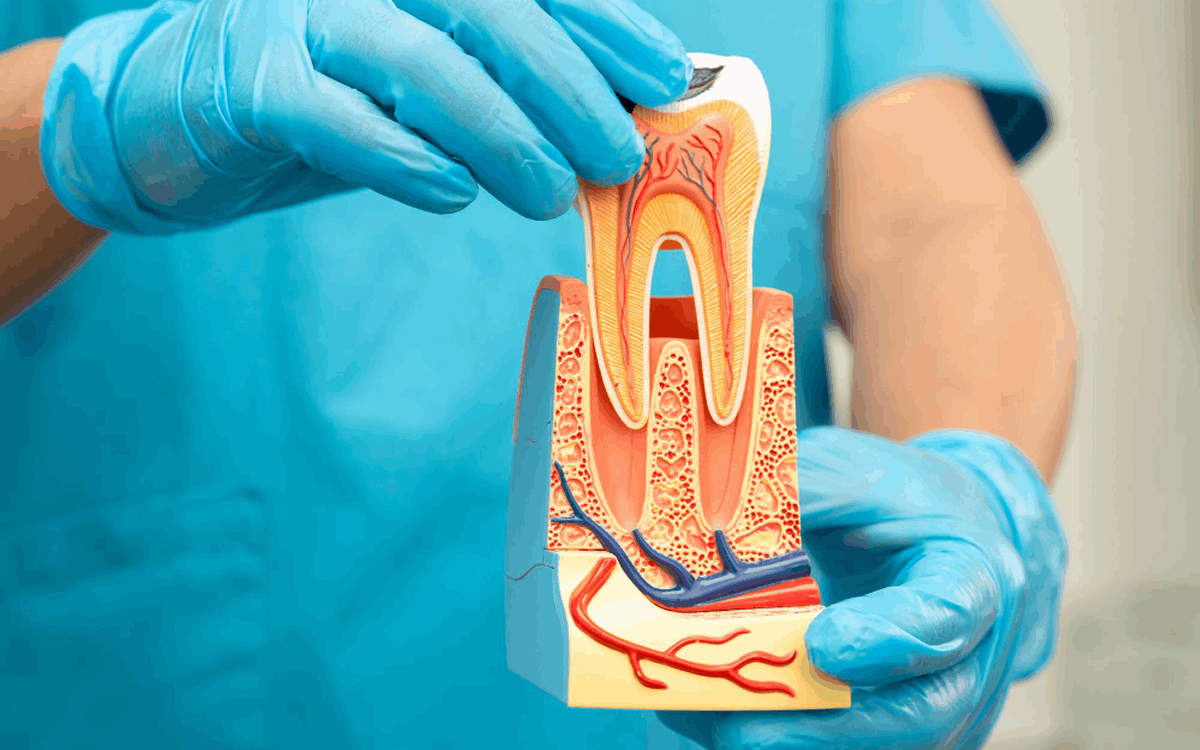
Have you ever walked out of a dentist’s office after a root canal or dental crown procedure feeling relieved, only to realize that recovery isn’t always as easy as you thought it was? Many patients make the same mistake as they underestimate the role of aftercare. Patients think that once the procedure is over, the work is done, because the reality is very different. After you get the best root canal treatment done, proper care is indispensable for long-lasting oral health and to avoid unexpected complications.
So, without any further delay, let’s take a deep dive into why aftercare matters so much and how simple steps can help protect your investment in your smile.
Understanding Root Canals and Dental Crowns
Before we jump directly into the aftercare, let’s take some time to understand what these treatments actually involve:
- A root canal is a procedure that is done to remove infected or damaged pulp from inside a tooth, so further infection can be prevented and the natural tooth can be saved.
- On the other hand, a dental crown is primarily a cap that is placed over a damaged or weakened tooth to restore its shape.
While both procedures are incredibly common, they are invasive because your tooth will be structurally altered, and your body will need time to adapt. If you ignore aftercare after the treatment, it can compromise healing, weaken the crown, or even cause further infection, which is a huge concern.
Then, why do Most People Ignore Aftercare?
It’s easy to assume that once the procedure is done, you have nothing to worry about, but that’s not true because, despite the pain subsiding, dental procedures create temporary vulnerabilities in your teeth. A root canal removes the tooth’s natural defenses, and a crown changes how your bite interacts with surrounding teeth, which means if you skip aftercare, it will be like walking on a freshly painted floor, where you risk ruining the results.
Immediate Aftercare Steps
The first few days after the procedure are very crucial, which is why you need to keep the following things in mind:
- Pain Management: Mild discomfort or sensitivity is quite normal after the treatment, so you have nothing to worry about, and you can easily manage this pain with over-the-counter pain relief. However, if you are experiencing persistent pain, consult your dentist immediately because it might lead to infection.
- Soft Diet: Try to avoid any hard or sticky foods that can dislodge temporary crowns or put pressure on your healing teeth.
- Oral hygiene: Gently brush and floss around the treated area after the procedure is done, and make sure to avoid aggressive rinsing that can disturb the healing tissue.
- Avoid tobacco and alcohol: You might not realize the problem in consuming intoxicating substances, but the truth is, they can slow down healing and increase the risk of infection.
Long-Term Aftercare Tips
After the initial recovery phase, long-term care can ensure that your root canal or crown lasts for years. This includes:
- Routine Dental Checkups: Visit your dentist regularly to monitor the integrity of the crown and detect any signs of early decay.
- Night Guards: If you grind your teeth at night, get a custom night guard from your dentist to prevent crown damage.
- Avoid using teeth as tools: Don’t use your teeth to open bottles or tear packages, as it can chip crowns or damage the treated tooth.
The Role of Nutrition in Healing
Nutrition also plays a massive role in oral health after the procedure, which is why here’s a table to help you maintain a balanced diet after dental procedures:
| Nutrient | Benefit for Teeth and Gums | Food Sources |
| Calcium | Strengthens teeth and jawbone | Milk, cheese and yogurt |
| Vitamin D | Improves calcium absorption | Sunlight, salmon, fortified foods, etc. |
| Phosphorous | Helps with remineralization | Meat, eggs, nuts |
| Vitamin C | Promotes gum healing | Bell peppers, citrus, strawberries, etc. |
When to Call Your Dentist
While minor discomfort is normal, there are red flags that warrant a professional check:
- Severe or increasing pain
- Swelling around the treated tooth
- Loose crown or filling
- Signs of infection, such as pus or fever
Prompt attention after the best root canal treatment or dental crown procedure can prevent further complications and save the tooth in question, so try to reach out to your dentist as early as possible.
Conclusion
Root canals and dental crowns are investments in your oral health, but like any investment, they require attention and care. From immediate post-procedure steps to long-term maintenance, the way a tooth is treated after the dentist leaves the office can make a world of difference. Remember, your teeth might be strong, but they rely on consistent care to maintain that strength. After all, a crown shines brightest when the foundation underneath it is solid and well cared for.
Looking for dentists who can help you with root canal treatments, dental crowns, or aftercare tips? Reach out to our team at Al Andalus Medical Center today.


